Singapore's Spectacular Sights: Gardens by the Bay, Marina Bay Sands, and More
Discover Singapore's most spectacular sights: Gardens by the Bay, Marina Bay Sands, colorful neighborhoods. Ultimate guide for travellers. Read now!

- Gardens by the Bay: Urban Nature Reimagined
- Marina Bay Sands: Sky-high Luxury and Design
- Neighborhoods and Urban Color
- Sentosa Island: Playgrounds and Leisure Spaces
- Getting Around and Traveler Tips
Gardens by the Bay: Urban Nature Reimagined
Breathtaking Modern Gardens in the Singaporean Metropolis
TL;DR: Gardens by the Bay offers awe-inspiring landscapes, from towering Supertrees to the misty Cloud Forest, representing a unique blend of nature, technology, and urban vision.
Gardens by the Bay: Details, Facts, and Experiences
Iconic Supertrees and Green Technology
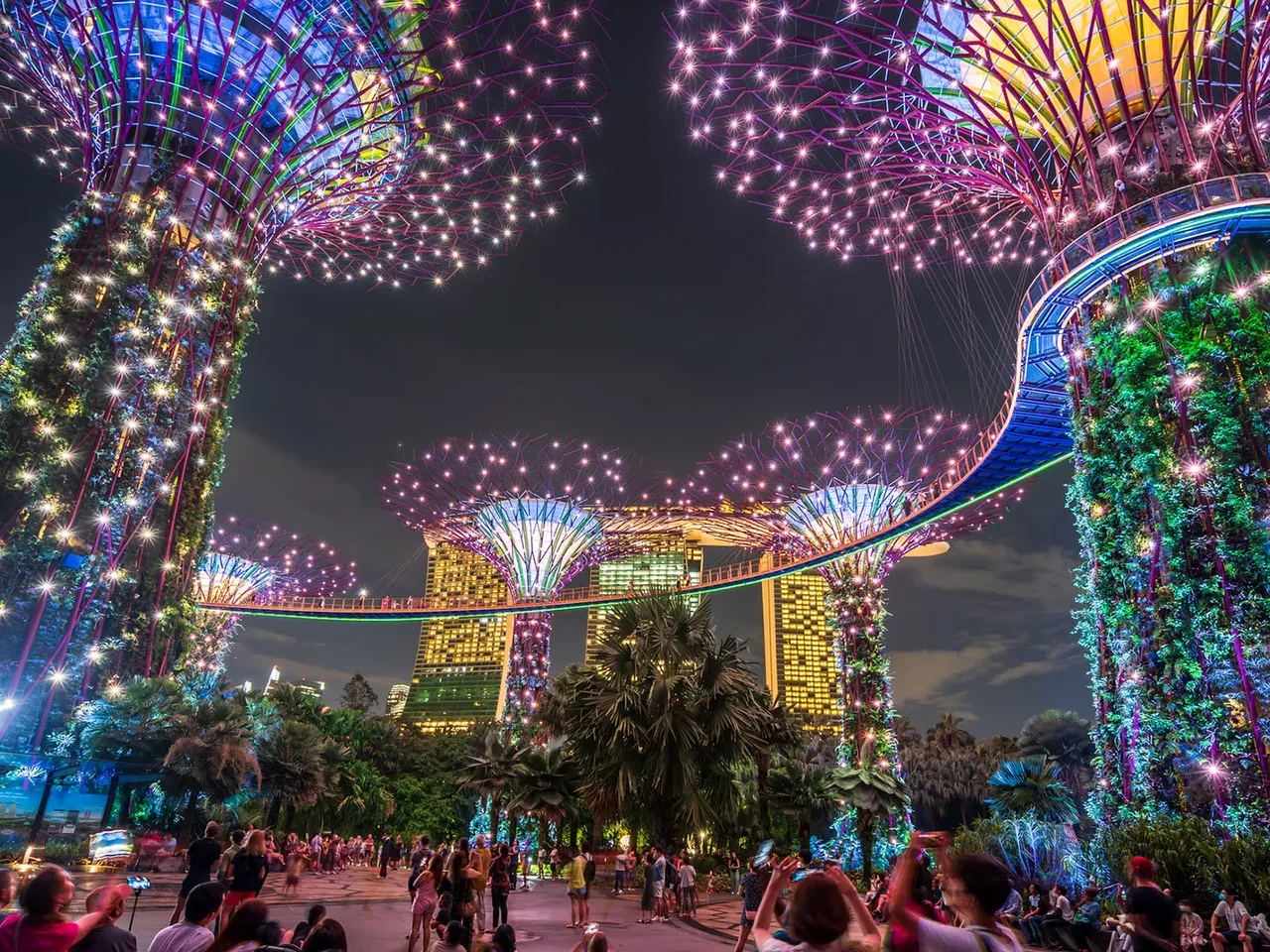
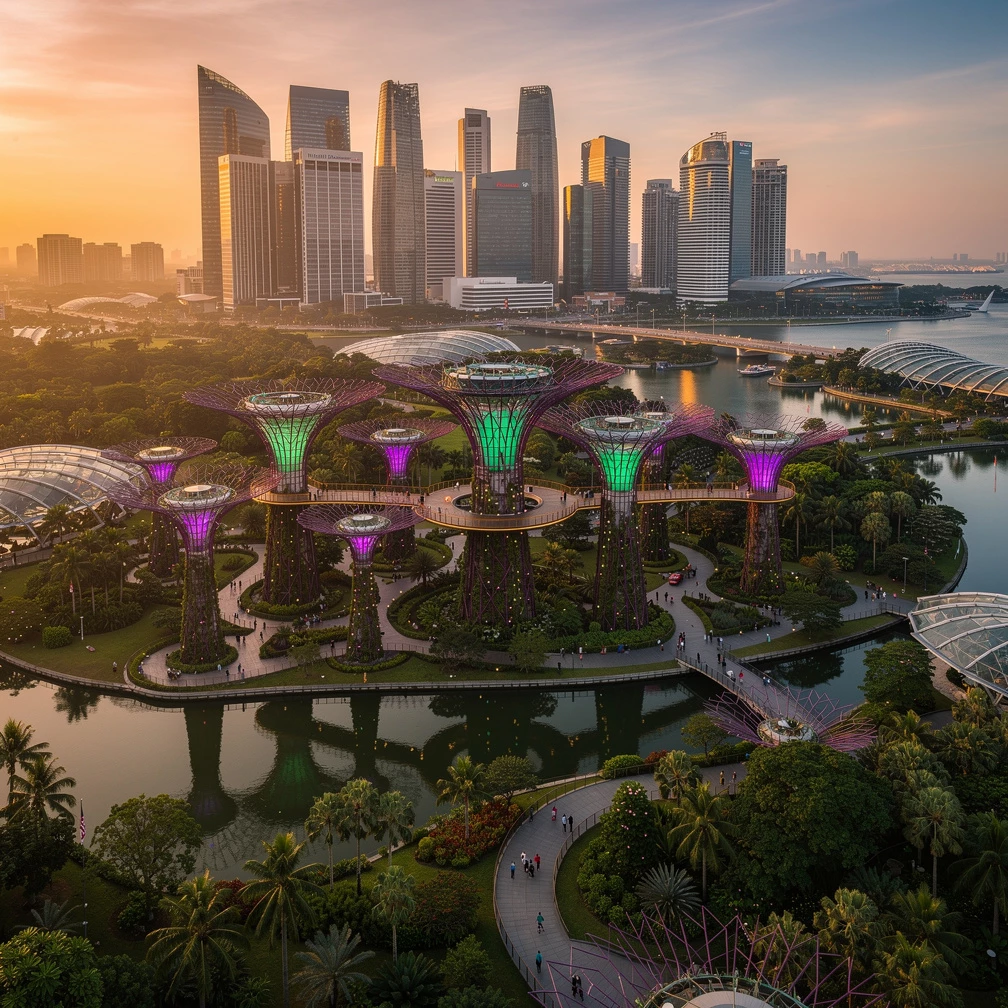
Gardens by the Bay stretches across 101 hectares on reclaimed land beside Singapore’s Marina Reservoir. Conceived in 2005, the project forms a green lung for the city, combating dense urbanization with ecological innovation. The most iconic feature is the cluster of 18 Supertrees. Reaching up to 50 meters, their vertical gardens host over 700 species of epiphytes—orchids, bromeliads, ferns—suspended in midair through advanced horticultural engineering. These structures integrate environmental technologies such as solar power and rainwater harvesting, turning artful design into functioning ecosystems.
Testimonials and Expert Perspectives
“Gardens by the Bay demonstrates how modern cities can balance nature with progress. The Supertrees and Flower Dome set new standards for urban sustainability.” — Stiftung Warentest, Urban Innovation Report
Entry to Gardens by the Bay’s outdoor gardens is free. Access to conservatories such as the Flower Dome or Cloud Forest costs extra and often requires reservation, especially during high seasons.
Background and Urban Context
The gardens arose from Singapore’s ambitious goal to combine urban growth with livability. Decades of limited space and rapid development inspired policymakers to invest in signature green projects. According to Wikipedia and urban planning sources, Singapore’s master plan integrates vertical gardens, underground utilities, and car-free districts. Gardens by the Bay now serves as both a tourist magnet and a recreational zone for locals, contributing to biodiversity and climate resilience in a dense metropolis.
Visitor Experience and Narrative Flow
On entering, visitors are greeted by a stunning arrangement: the Supertree Grove to the left, Cloud Forest straight ahead, and Flower Dome to the right. The Skyway—an aerial walkway—lets guests witness the forest canopies close up, while nightly light shows transform the landscape into vibrant spectacles of music and illumination. Every step unveils thematic zones, from succulent gardens to hidden grottos and waterfalls inside glasshouses. The gardens are ever-evolving, with exhibitions and plantings that shift through the year.
Marina Bay Sands: Sky-high Luxury and Design
Architecture, Hospitality, and the Light of the City
TL;DR: Marina Bay Sands stands as a beacon of ultra-modern design and entertainment, with its tripartite towers and legendary rooftop infinity pool.
Marina Bay Sands: Facts and Features
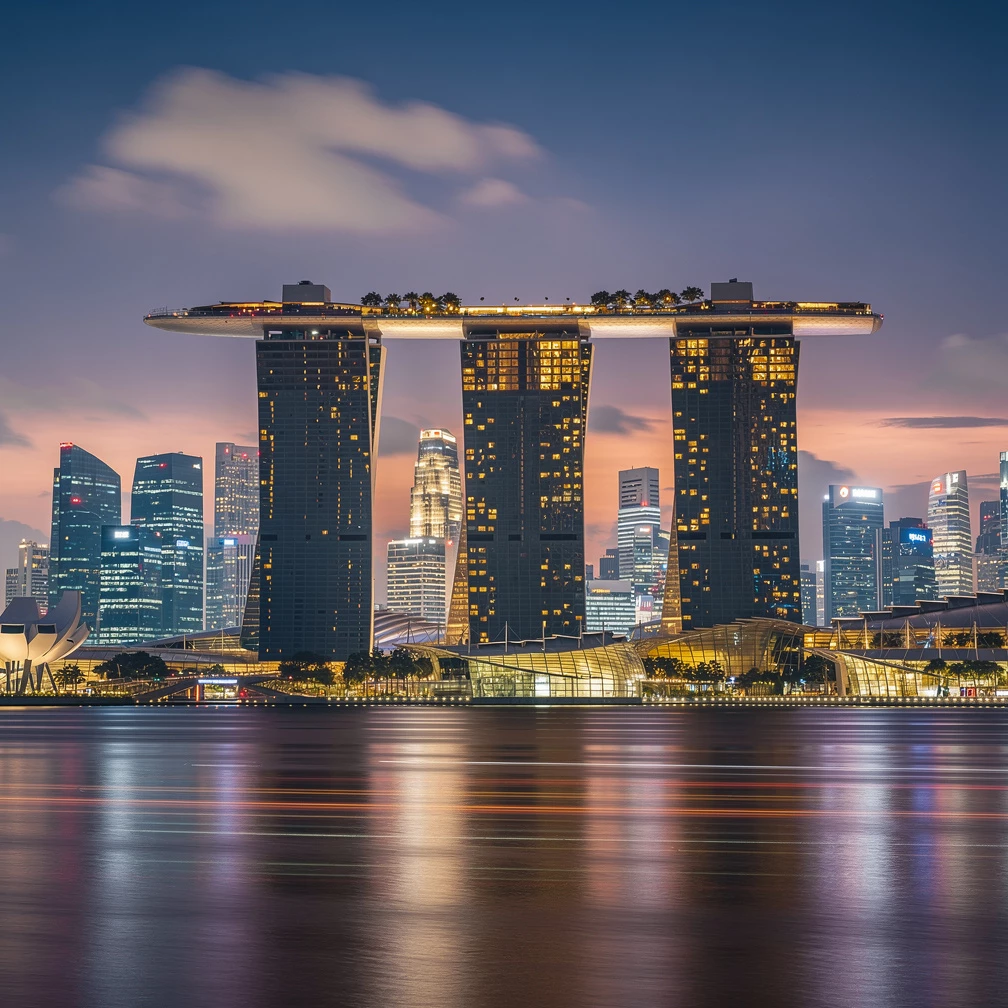
The architectural wonder, designed by Moshe Safdie, features three hotel towers linked by a boat-shaped SkyPark atop the 57th floor. The infinity pool—accessible only to hotel guests—offers unparalleled city views and has become an Instagram sensation. The complex below houses a world-class casino, designer boutiques, exhibitions, and Michelin-star dining. The entire structure was engineered to evoke decks of cards, a visual tribute to fortune and modernity. At night, the site gleams amid the city’s lights, anchoring Singapore’s downtown as a luxurious, futuristic focal point.
Cultural and Modern Significance
Marina Bay Sands has redefined hospitality and urban experience in Southeast Asia. Its SkyPark hosts events, light shows, and observation decks. The integrated resort attracts global travelers, celebrities, and artists, while its sustainable features set new benchmarks for environmental design in hospitality. The structure’s foundations rest on reclaimed land, a testament to the city’s engineering ambitions. According to Stiftung Warentest, guest reviews praise the panoramic views and service, though highlight premium pricing and crowding at peak times.
Inside the SkyPark and Pool
Walking onto the SkyPark, a sculptural platform resembling a floating ship, guests find the infinity pool stretching across the roof. The sensation of swimming above a neon-lit city is matched by few other urban thrills. The public can visit the SkyPark observation deck for a fee, enjoying 360-degree city and sea vistas. From the mall below, the Shoppes at Marina Bay Sands offers luxury retail, celebrity chef restaurants, and canal boat rides beneath its curved glass roof—a self-contained world amid the high-rise city.
Neighborhoods and Urban Color
The Rainbow Shophouses, Little India, and Street Life
TL;DR: Singapore’s neighborhoods are mosaics of culture, color, and tradition—from the pastel shophouses of Katong to the vibrant markets of Little India.
Cultural Crossroads and Visual Stories
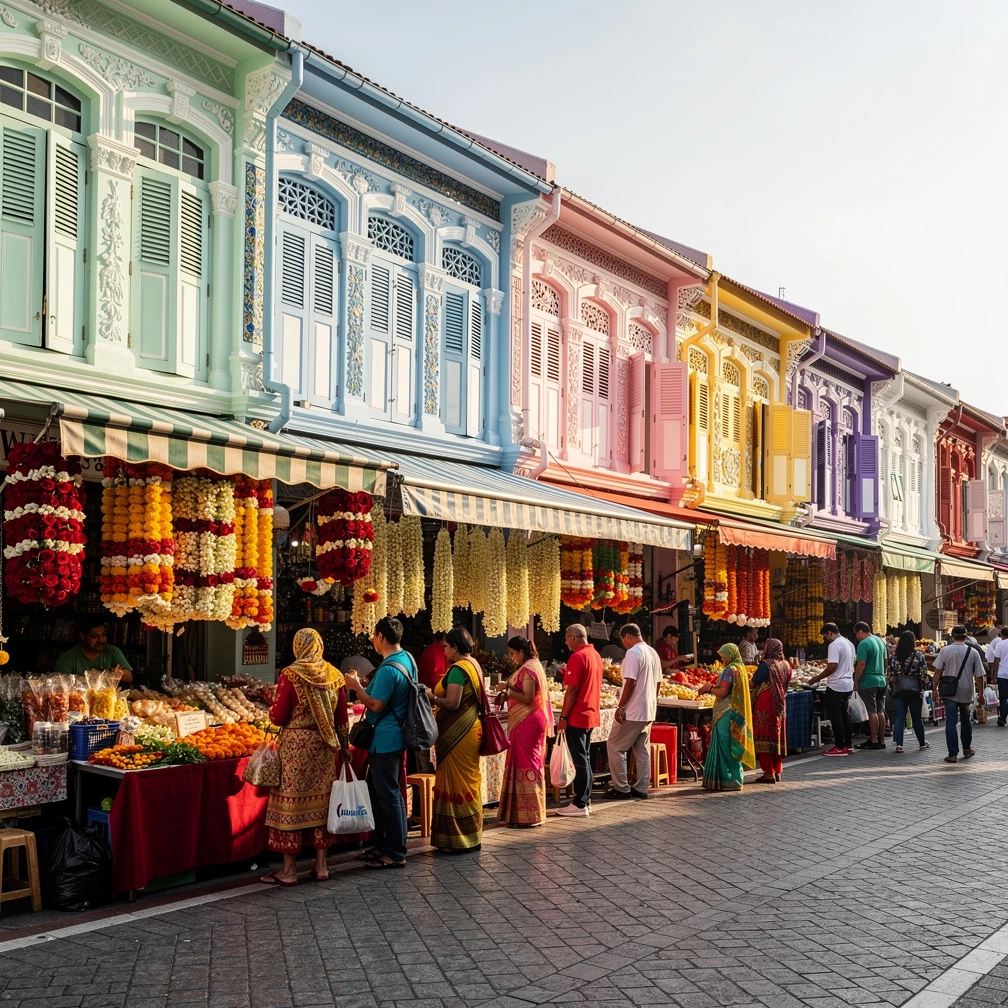
Neighborhoods such as Katong, Chinatown, Kampong Glam, and Little India encapsulate centuries of migration, trade, and cosmopolitan life. Katong’s shophouses, painted in rainbows of pastel hues, are celebrated for intricate façades and ornate woodwork—a photographer’s dream and vital source of civic pride. In Little India, streets pulse with flower garlands, bustling merchants, and striking temples, especially lively during Deepavali. Pinterest-based moodboards consistently rank these colorful quarters among Singapore’s most Instagram-worthy spots.
Food, Festivals, and Daily Rituals
Street food is a pillar of Singaporean identity. Hawker Centers—open-air food halls—offer diverse, affordable specialties: Hainanese chicken rice, laksa, and satay. The government classifies several as UNESCO cultural heritage. Shophouses in Geylang and Chinatown house bakeries and tea shops, while colorful facades nestle between modern towers. According to Stiftung Warentest, Singapore’s neighborhoods are prized for safety, cleanliness, and immersive local flavor, ensuring an authentic experience beyond the well-trodden paths.
Chinatown and Kampong Glam
Chinatown boasts restored temples and lantern-strung streets, while Kampong Glam’s Sultan Mosque anchors a Malay-Arab quarter rich in history and contemporary design. These districts manage to preserve the old amid shimmering new, providing sensory contrasts at every turn. Visitors are encouraged to explore on foot or bicycle for an up-close look at everyday life in Singapore’s heart.
Schauen Sie sich doch einmal eine Übersicht all unserer spannenden Themen an
Sentosa Island: Playgrounds and Leisure Spaces
Adventure, Recreation, and Island Escapes
TL;DR: Sentosa Island delivers action and relaxation—from beaches and theme parks to forest walks—just minutes from Downtown Singapore.
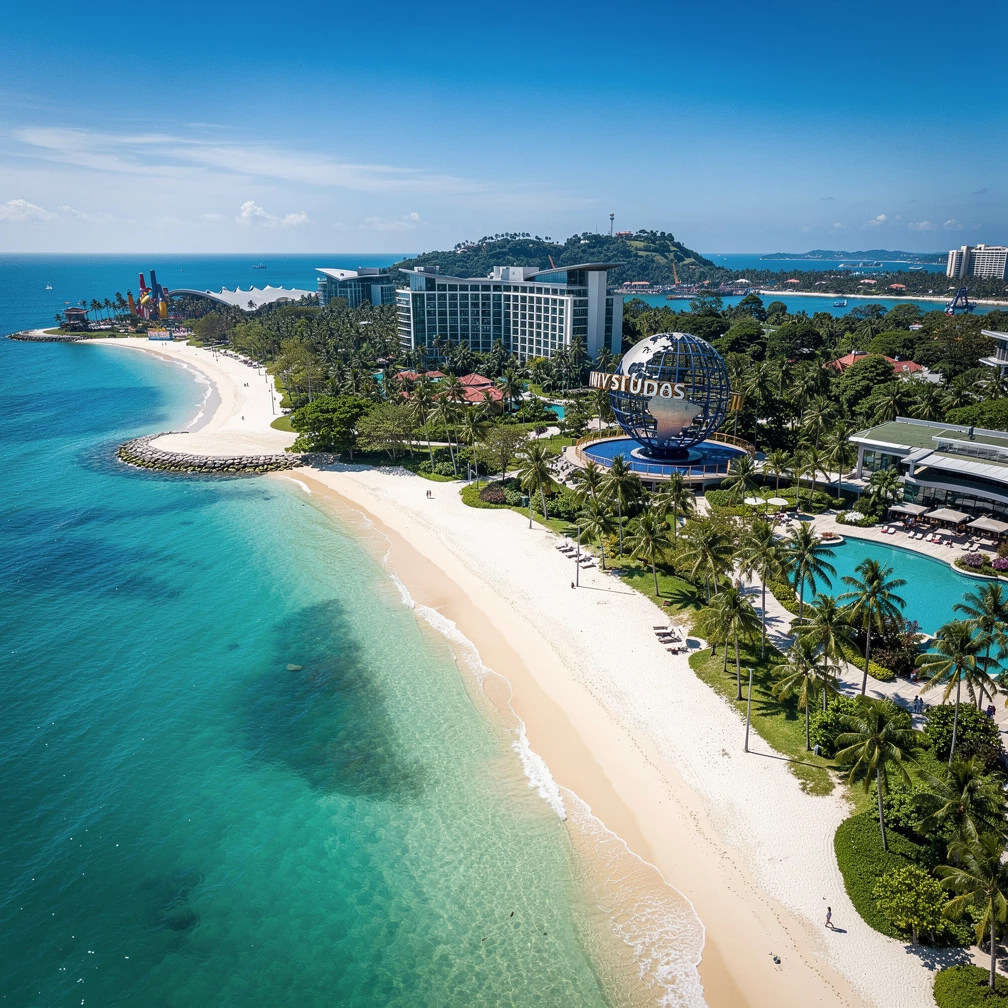
Main Attractions and Nature Reserves
Visitors flock to Universal Studios Singapore for rides and entertainment, while the S.E.A. Aquarium dazzles with oceanic wonder. Adventure seekers tackle zip lines, water parks, and forest trails. Leisurely beaches like Palawan and Siloso are well-maintained and safe for families. Sentosa Nature Discovery walks and Imbiah lookout offer wildlife spotting and panoramic vistas. According to Wikipedia references, Sentosa draws millions of visitors annually and continues to evolve as a premier urban leisure destination.
Golf, Wellness, and Resorts
Sentosa is also renowned for spa retreats, international hotels, and championship golf courses. The island integrates sustainability initiatives—solar-powered tramways, protected green zones—into daily operations. The diversity of activities, coupled with the iconic Merlion statue and scenic coastline, ensures options for all travel styles, from adrenaline to tranquility.
Getting Around and Traveler Tips
Public Transit and Smart Mobility in Singapore
TL;DR: Singapore’s efficient transport ecosystem makes exploring easy, from the extensive MRT network to innovative bike-sharing and cashless payments.
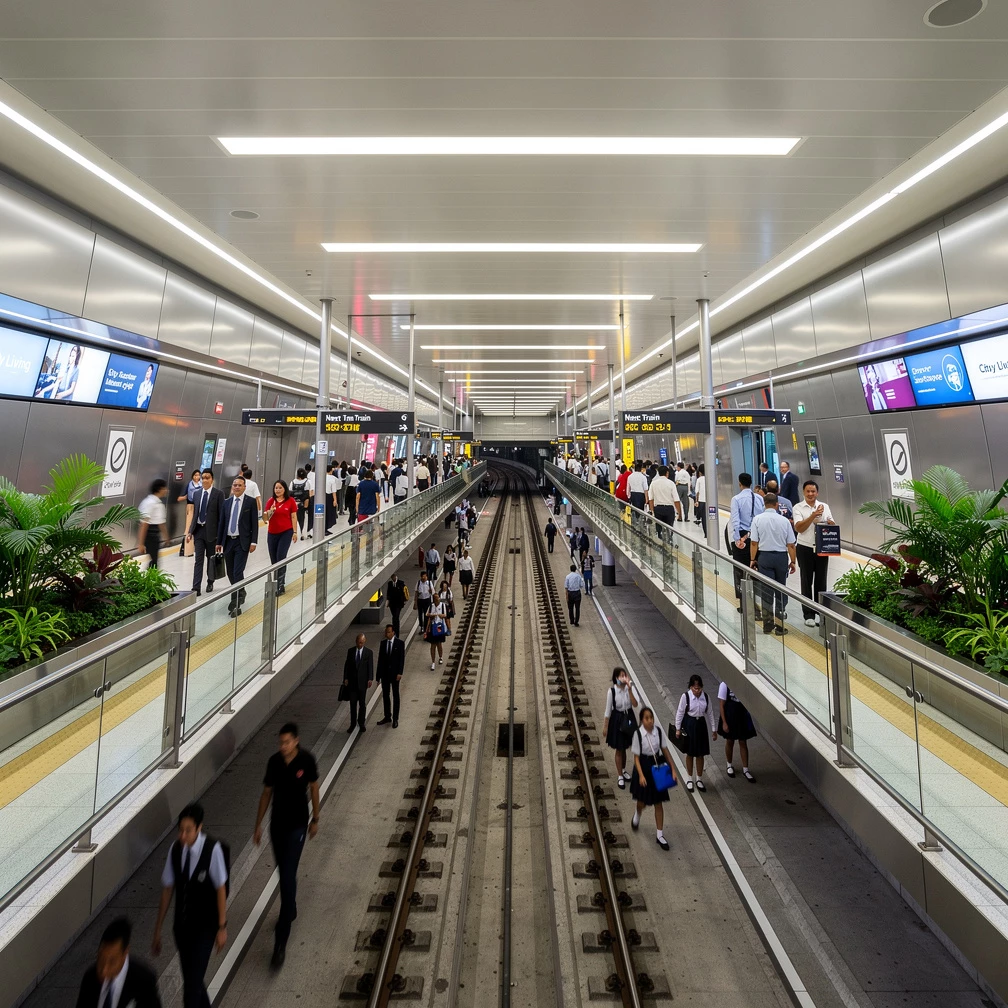
Metro, Tap-and-Go, and Practical Advice
Tourists can purchase multi-day transport cards, allowing seamless travel across bus, MRT, and light rail. Stations are air-conditioned and well-signed in English. Apps provide real-time route guidance. Travelers save time and cost by using public transit over taxis, especially for city center attractions. Stiftung Warentest recommends standard hygiene and safety awareness, noting Singapore’s strict fines for food or drink on transport and its high standards for accessibility.
Planning, Peak Times, and Local Customs
Best time to visit is outside public holidays and school breaks. Singapore’s weather is tropical year-round, so lightweight clothing is advised. Carry a refillable water bottle—refilling stations abound. Politeness and orderly queuing are appreciated. The city’s planning ensures even major attractions rarely feel overcrowded outside weekends and festivals.
Vorteile & Nachteile auf einen Blick
Vorteile
- World-class urban design and infrastructure
- Spectacular blend of nature, culture, and modernity
Nachteile
- Premium prices for top attractions
- Peak hour congestion at popular sites
Checkliste für die Praxis
- Book tickets for conservatories and SkyPark in advance
- Use public transport for flexibility and savings
- Sample local cuisine at hawker centers
- Respect local customs and regulations
Further Reading and Links
For authoritative tips, consult Stiftung Warentest’s travel advisories. Wikipedia provides overviews, but official Singapore government sites offer the most reliable, updated details.
Zielgruppen im Blick
Perspektive für 20–40 Jahre
Young explorers and digital nomads will find endless photo ops, nightlife, and adventure. Gardens by the Bay’s surreal scenery, Marina Bay Sands’ rooftop views, and Sentosa’s action parks serve as both Instagram highlights and memory-makers. Public transport and digital ticketing make Singapore accessible and efficient for short city breaks or extended stays.
Perspektive für 40–60 Jahre
Travelers in this age group value comfort and in-depth cultural experiences. Luxury stays at Marina Bay Sands, leisurely walks through Katong’s heritage districts, and refined cuisine at world-renowned restaurants combine tradition and innovation. Guided city tours and spa retreats provide relaxation after busy sightseeing days.
Perspektive ab 60
Seniors benefit from Singapore’s accessible infrastructure, clean public spaces, and variety of attractions. Botanical wonders, tranquil temples, and easy-hop public transit make independent travel simple. Many museums offer quiet zones, ample seating, and multi-language guides for an enriching, low-stress visit.
“Singapore is a city that reinvents itself through nature, architecture, and communal life—each visit reveals something new.”
Stiftung Warentest, Travel Expert Panel
Want tailored advice, travel tips, or a personalized itinerary for Singapore? Contact our service team now!
Additional keywords for this Article
You might also be interested in


Latest articles